EDITORIAL ROUGH DRAFT • NOT FOR PUBLICATION
Working draft. Verify all figures, chronology, attribution, independent reporting, and links before publication.
01 / The Shift
The Shift
Robotics has spent years showing us machines that walk, dance, jump, and occasionally fall over in ways that attract millions of views.
Meanwhile, a less glamorous group of robots has been doing something potentially more important: working.
Brooklyn-based Ultra announced $62 million in total financing and an expanded partnership with Physical Intelligence. Its warehouse automation business offers robotic capabilities through recurring customer payments rather than relying solely on equipment sales.
02 / From Buying Machines to Buying Work
From Buying Machines to Buying Work
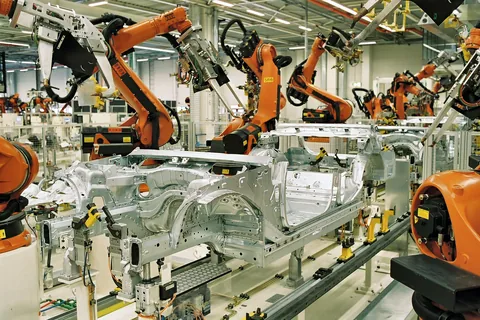
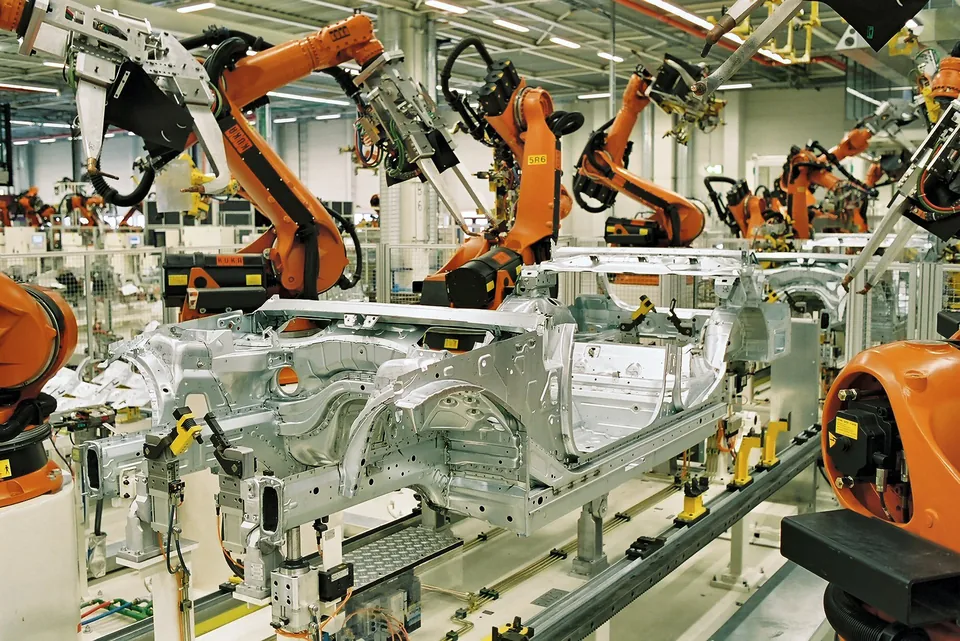
Traditional automation can require major upfront investment, facility modifications, specialists, and maintenance. That makes the economics difficult for smaller operations.
Robotics-as-a-service tries to turn automation into an operating expense, shifting some equipment and service responsibilities to the provider.
But moving a cost from capital expenditure to a monthly invoice does not automatically make it cheaper. Reliability, utilization, downtime, and human oversight determine whether the arrangement actually works.
03 / The Intelligence and the Machine
The Intelligence and the Machine
Ultra's partnership with Physical Intelligence suggests another important shift: the company manufacturing a robot may not need to invent every component of its intelligence.
One firm builds and supports machinery. Another develops models for manipulating physical objects. The arrangement resembles the separation between hardware and software in computing.
The analogy has limits. Robots encounter friction, wear, unexpected objects, and physical safety risks. A failed webpage can be refreshed. A robot dropping a heavy box needs a different recovery procedure.
04 / The Half-Million-Order Question
The Half-Million-Order Question
Ultra says its systems have packed more than 500,000 orders. That's an interesting operational claim, but not yet a complete business case.
How many robots completed those orders? Over what period? How many interventions were required? What was the cost per order? How did performance compare with workers or conventional automation?
Commercial deployment is evidence of progress. Profitable deployment is another achievement.
05 / What Happens to Workers?
What Happens to Workers?
Warehouse automation may reduce repetitive tasks and let companies grow without adding staff at the same rate. It can also eliminate positions or change which skills are valuable.
Some workers may move into supervision, maintenance, and logistics. Others may not have access to the training required. The outcome depends on how businesses deploy automation, not just whether robots exist.
06 / Does It Need a Face?
Does It Need a Face?
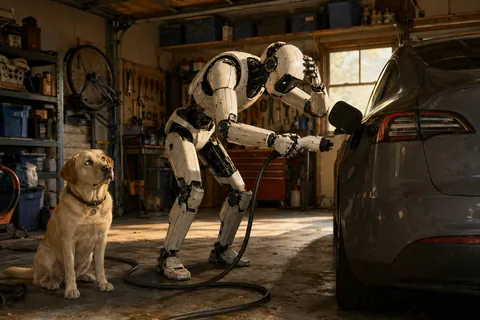
Humanoid robots may eventually prove valuable in environments designed around human bodies. But general-purpose humanoids remain difficult and expensive.
A warehouse that needs boxes packed may be better served by a specialized machine that never walks, never resembles a person, and never does anything outside its task.
That isn't a failure of robotics. It may be the beginning of commercial maturity.
Frequently Asked Questions
Questions the headline leaves behind
What is robotics as a service?
Customers pay recurring fees for robotic capabilities rather than relying only on outright equipment purchases.
Does a monthly fee automatically make automation cheaper?
No. Utilization, downtime, service responsibilities and oversight affect the total cost.
Does warehouse automation require a humanoid?
No. A specialized machine may suit a narrowly defined task without walking or resembling a person.
Further Reading
Follow the Consequences
Follow the story into the capabilities, infrastructure and limits surrounding AI.
For the broader context, read AI Is Becoming Software That Acts.
Sources and Methodology
This is an editorial rough draft. The original reporting claims, figures and chronology still need verification before publication. The links below provide background and starting points; they do not establish every claim in the draft.
The next major robotics company may not sell the most impressive machine. It may sell the most dependable hour of automated work.
The robot revolution doesn't necessarily need a face. It needs a business model that works.
By Daniel Buck