EDITORIAL ROUGH DRAFT • NOT FOR PUBLICATION
Working draft. Verify all figures, chronology, attribution, independent reporting, and links before publication.
01 / The Shift
The Shift
AI is usually described in language that makes it sound weightless: models, algorithms, neural networks, intelligence floating somewhere in the cloud.
But the cloud has an address. Reports of drone strikes affecting Yandex data-center facilities in Russia expose the physical vulnerability behind supposedly ubiquitous digital services.
One facility in Sasovo has housed supercomputing infrastructure used for Yandex's AI development. Whether those particular machines were damaged needs independent confirmation. A strike on a building is not proof of a destroyed supercomputer.
02 / The Physical Reality
The Physical Reality
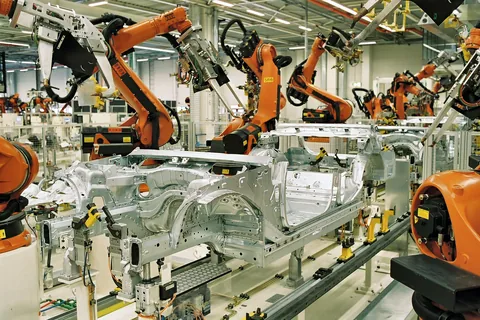
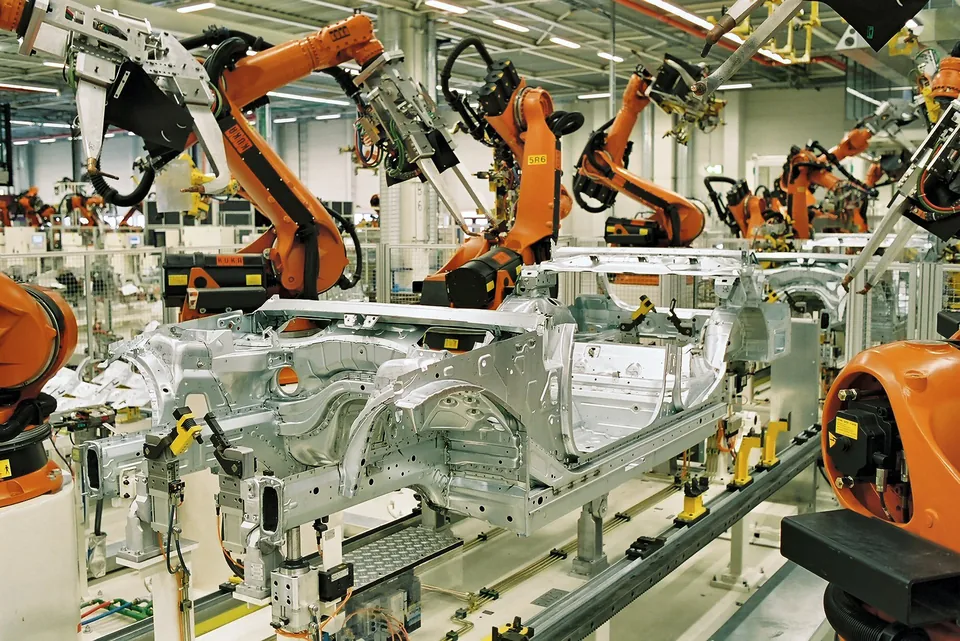
Behind every apparently effortless AI interaction is an industrial system of processors, memory, networking, cooling, electrical supply, and buildings.
Electricity must arrive. Cooling must function. Communications must remain available. Equipment must survive.
A model may reason through difficult scientific problems. It cannot negotiate with a severed power cable.
03 / Strategic Infrastructure
Strategic Infrastructure
As countries pursue sovereign AI, computing capacity becomes a strategic national asset. The same facilities may support commercial services, research, public institutions, and security-related work.
That overlap creates difficult questions about protection and targeting. A data center serving civilian customers cannot be treated as a lawful military target merely because it is technologically important.
Reporting must distinguish verified military uses from civilian consequences and consider the laws of armed conflict, not just the spectacle of a high-tech facility under attack.
04 / The Cost of Resilience
The Cost of Resilience
AI infrastructure is already expensive. Physical security, redundant power, geographic distribution, backup systems, and disaster recovery add another layer of cost.
Some services can fail over to other facilities. Large training workloads requiring tightly connected processors may be harder to relocate or reconstruct.
The economics of AI may increasingly depend not only on how fast computers run, but how reliably they can keep running.
05 / Intelligence Meets Geography
Intelligence Meets Geography
The technology industry has spent decades making geography seem less important. Software crosses borders. Data moves globally. Computing arrives as a service.
Yet national borders, electrical grids, supply chains, and military threats have never gone away. They have become part of the AI business model.
Frequently Asked Questions
Questions the headline leaves behind
Is damage to a data center proof of a destroyed supercomputer?
No. The condition of particular equipment requires separate confirmation.
Can every computing workload move to another facility?
Not necessarily. The draft distinguishes service failover from tightly connected training workloads.
What remains unresolved in this draft?
The specific damage, service impacts and chronology need verification against current reporting and company statements.
Further Reading
Follow the Consequences
Follow the story into the capabilities, infrastructure and limits surrounding AI.
For the broader context, read AI Is Becoming Software That Acts.

Sources and Methodology
This is an editorial rough draft. The original reporting claims, figures and chronology still need verification before publication. The links below provide background and starting points; they do not establish every claim in the draft.
We are trying to make intelligence less constrained by human limitations while its infrastructure remains stubbornly vulnerable to the physical world.
The cloud, it turns out, is not particularly good at taking cover.
By Daniel Buck · Editorial rough draft