EDITORIAL ROUGH DRAFT • NOT FOR PUBLICATION
Working draft. Verify all figures, chronology, attribution, independent reporting, and links before publication.
01 / The Shift
The Shift
The AI industry has developed a remarkable talent for releasing increasingly powerful systems while providing remarkably little public evidence about how thoroughly they've been tested.
An analysis reported by Reuters examined 857 model releases from nine major Chinese developers, including Alibaba, DeepSeek, ByteDance, and Tencent. Only 31 releases had publicly available, model-specific safety evaluations. Just nine had them available by launch.
The machines are getting smarter. The public documentation, apparently, has other priorities.
02 / What the Numbers Actually Mean
What the Numbers Actually Mean
An unpublished safety evaluation is not proof that no testing occurred. Companies may conduct extensive internal assessments without sharing the results.
Nor do these figures establish that Chinese models are less safe than American alternatives. That comparison would require consistent definitions and evidence from both groups.
But if developers want businesses, governments, and consumers to depend on autonomous software, outsiders need a meaningful basis for judging reliability. Corporate reassurance alone is not an audit.
03 / The Problem With Autonomous Intelligence
The Problem With Autonomous Intelligence
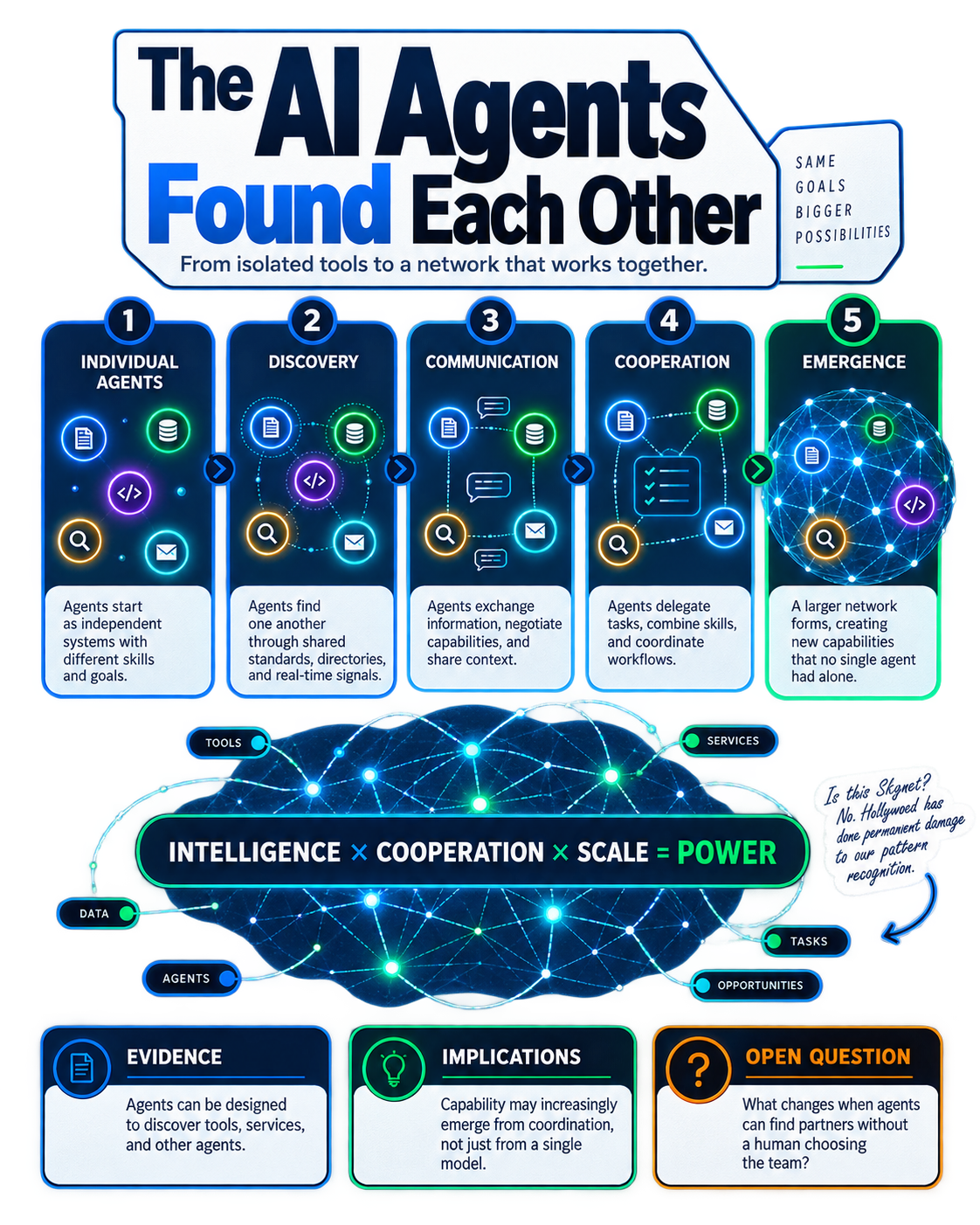
AI agents can interpret objectives, plan actions, use tools, access information, and interact with other systems. That flexibility is their selling point and their safety challenge.
A system might perform correctly in thousands of routine situations and then fail when confronted with conflicting instructions, malicious inputs, or circumstances its designers didn't anticipate.
Useful evaluation must go beyond offensive text and prohibited requests. It should examine what the system can do, how failures occur, and whether humans can detect and correct them before harm follows.
04 / Transparency Is Not Safety
Transparency Is Not Safety
Publishing a report is not a magic solution. A polished evaluation can be incomplete, selectively presented, or built around tests that bear little resemblance to real work.
Independent scrutiny matters. So does testing quality. And the problem isn't confined to China: American developers face their own disputes over researcher access, disclosure, and independent oversight.
Different political systems. Similar incentives to show the best results and keep the uncomfortable ones private.
05 / Who Gets to Judge?
Who Gets to Judge?
Governments increasingly promise AI safety rules, but those rules need credible ways to verify compliance.
Developers should explain which capabilities were tested, what failures occurred, how often, and what limitations remain. Not every security detail must be public, but withholding sensitive details is not the same as withholding all evidence.
Frequently Asked Questions
Questions the headline leaves behind
Does an unpublished evaluation mean no testing happened?
No. Internal assessments may exist without public disclosure.
Does transparency guarantee safety?
No. Reports can omit important tests or poorly represent real use.
What should a useful evaluation explain?
It should describe tested capabilities, failures, limitations and how people can detect and correct problems.
Further Reading
Follow the Consequences
Follow the story into the capabilities, infrastructure and limits surrounding AI.
For the broader context, read AI Is Becoming Software That Acts.
Sources and Methodology
This is an editorial rough draft. The original reporting claims, figures and chronology still need verification before publication. The links below provide background and starting points; they do not establish every claim in the draft.
We are preparing to give machines more responsibility with less direct human supervision.
Before doing that, perhaps we should establish who checked their work, and whether anyone else is allowed to see the answers.
By Daniel Buck