01 / The Shift
The Shift
Artificial intelligence may be transforming the world, but apparently it hasn't abolished the ancient financial custom of asking where the money is coming from.
Australian AI infrastructure company Firmus reportedly shelved a proposed multibillion-dollar initial public offering after investors questioned its valuation, debt obligations, and ambitious expansion plans.
The company had impressive financial backers and a much less comfortable question: how much of its projected business actually existed? Investors, in a rare outbreak of financial sobriety, wanted a closer look.
02 / The Price of Tomorrow
The Price of Tomorrow
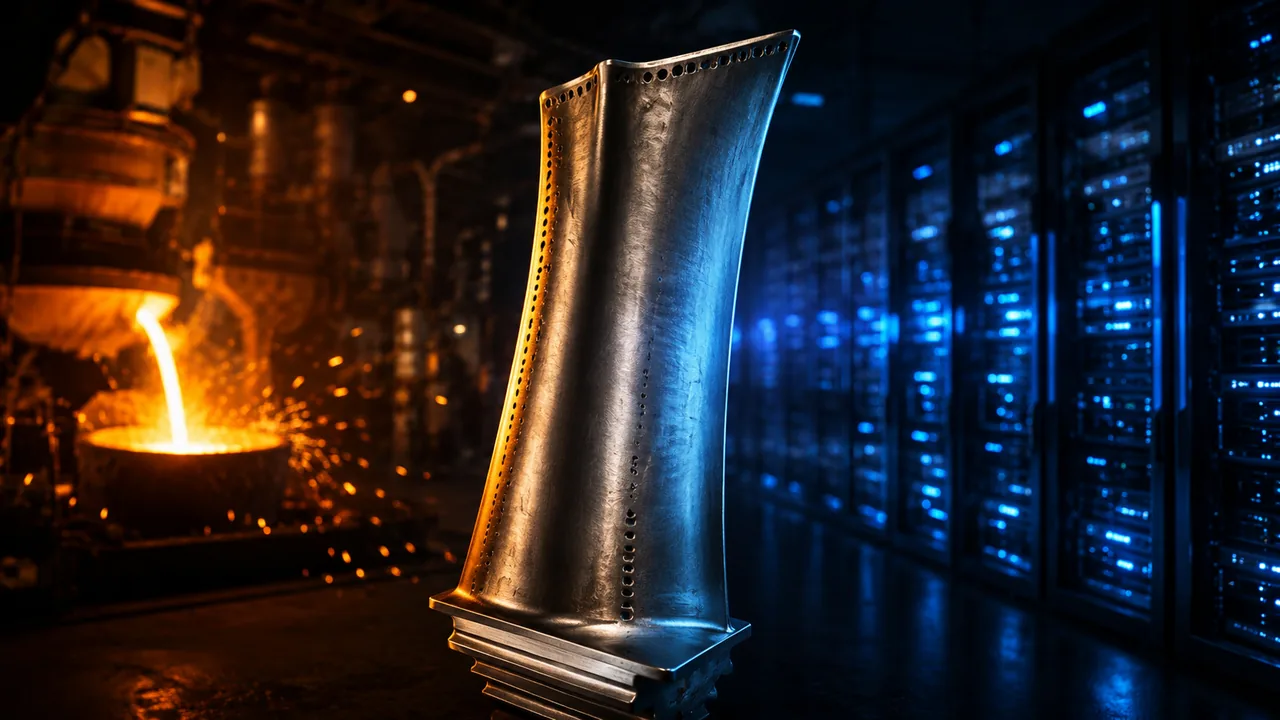
Firmus reportedly sought an equity valuation of roughly $30.6 billion. The company operated two leased data centers, with five additional facilities planned across the Asia-Pacific region.
There's nothing inherently wrong with valuing a business on future potential. Every investment involves some faith in tomorrow. But there's a difference between financing growth and financing the assumption that growth will occur exactly as advertised.
AI infrastructure is expensive. Data centers require land, electricity, cooling, specialized processors, networking equipment, construction, and customers willing to pay for computing capacity. Every component introduces another variable, and every variable gives a billion-dollar spreadsheet another opportunity to become expensive fiction.
03 / The Business Beneath the Technology
The Business Beneath the Technology
The industry's argument is simple: AI demand will keep growing, and the companies supplying computing infrastructure will prosper. Perhaps they will.
But demand doesn't automatically guarantee attractive profits. A facility can be packed with costly processors and still deliver disappointing returns after financing, energy, maintenance, and depreciation.
Capacity promised, capacity built, capacity utilized, and revenue collected are four different things. They are remarkably easy to confuse in a presentation full of enormous numbers.
04 / The Reality Test
The Reality Test
One abandoned IPO doesn't prove an AI bubble is bursting. Investors rejecting a valuation might simply mean capital is becoming more selective. That could be healthy.
The questions are measurable: What is contracted rather than forecast? How much debt is required? What does a fully utilized facility earn? And how quickly do the processors inside it become obsolete?
AI may create extraordinary economic value. But extraordinary potential is not itself a business model.
Frequently Asked Questions
Questions the headline leaves behind
Does one shelved IPO prove an AI bubble is bursting?
No. The draft distinguishes a disputed valuation from evidence that the entire industry is collapsing.
What should investors distinguish?
Capacity promised, capacity built, capacity used and revenue collected are different measures.
What still needs checking?
The reported valuation, financing obligations, facility count and chronology need source verification before publication.
Further Reading
Follow the Consequences
Follow the story into the capabilities, infrastructure and limits surrounding AI.
For the broader context, read AI Is Becoming Software That Acts.


Sources and Methodology
This is an editorial rough draft. The original reporting claims, figures and chronology still need verification before publication. The links below provide background and starting points; they do not establish every claim in the draft.
The AI industry has become extraordinarily good at forecasting demand for intelligence.
Now investors are asking it to demonstrate some intelligence about demand. That may be the most useful development of all.
By Daniel Buck